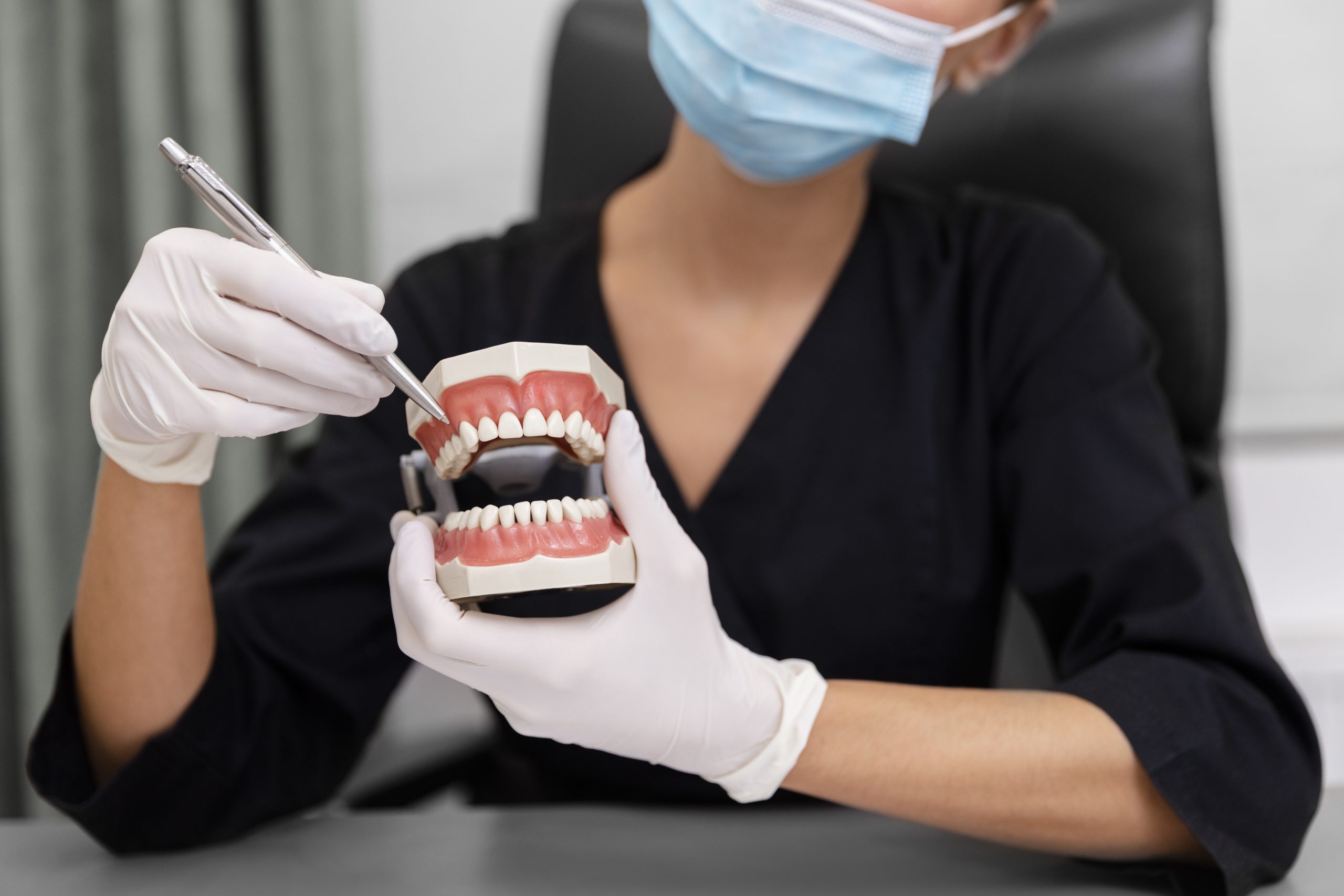
A damaged or weakened tooth can affect more than your smile. It may make chewing uncomfortable or leave the tooth vulnerable to further damage. When a tooth is damaged or weakened, dental crowns in Mississauga may provide the protection and support needed to restore its function and appearance. A dental crown is a custom-made covering placed over the tooth to strengthen it, improve its shape, and restore a more natural look. Crowns can be used for teeth affected by decay, cracks, large fillings, or wear, and they can also help restore teeth after root canal treatment or cover dental implants.
What Is a Dental Crown?
A dental crown is a custom-made covering that fits over the visible part of a tooth. It restores the tooth’s shape and function while supporting the remaining tooth structure. A dentist may recommend a crown when a filling is not enough to restore a damaged tooth. The decision depends on the condition of the tooth, the surrounding gums, and overall oral health.
Choosing the right dental clinic in Mississauga can help ensure that your tooth is properly examined before treatment. Your dentist may use an oral examination and X-rays to determine whether a crown is appropriate and whether other treatment, such as addressing decay or infection, is needed first.
Types of Dental Crowns
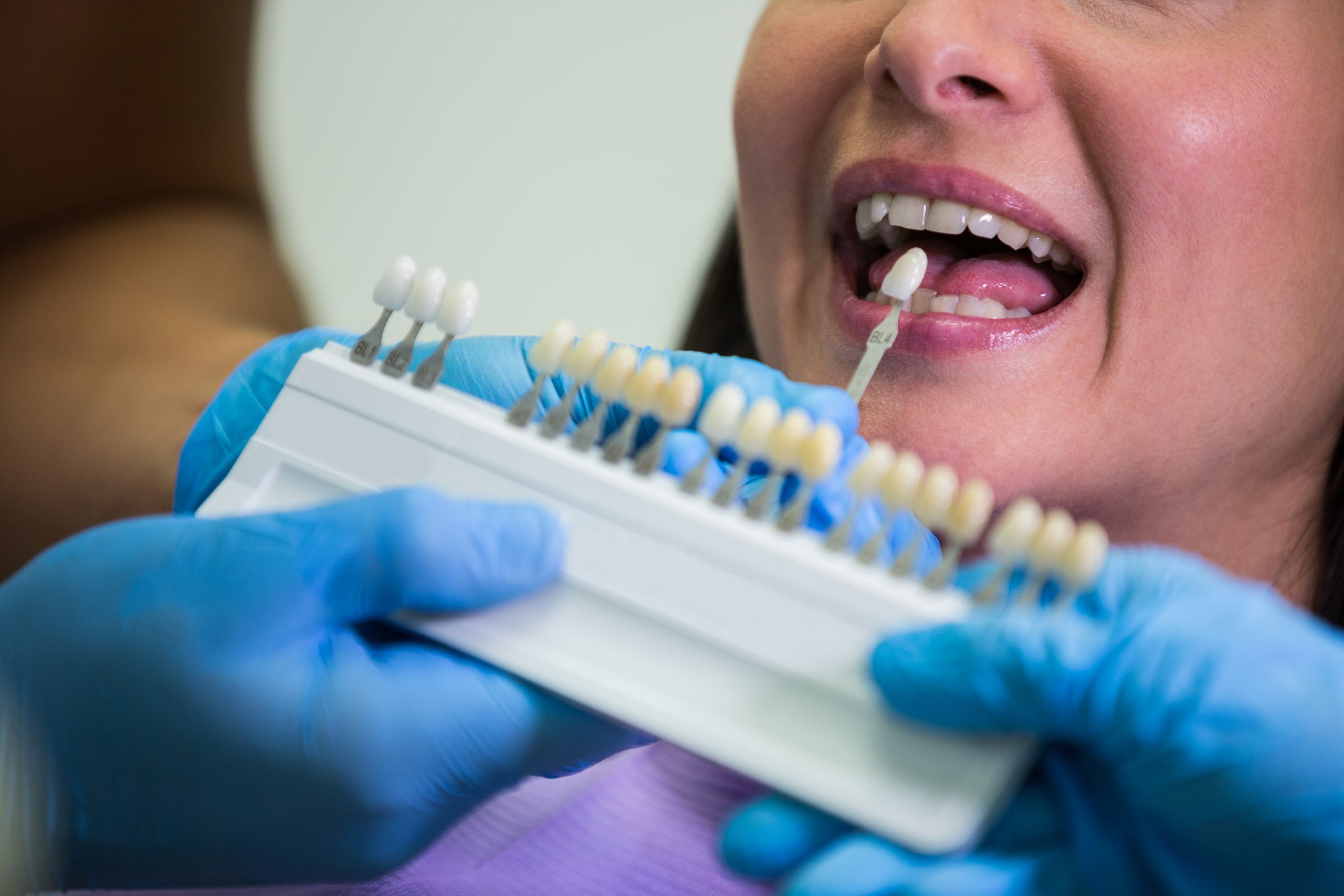
Dental crowns are made from different materials. Each type has its own benefits, appearance, and uses.
- Porcelain or ceramic: These crowns look very similar to natural teeth, making them a good choice when appearance matters.
- Zirconia: Zirconia is a strong ceramic material that also has a natural, tooth-like appearance.
- Porcelain-fused-to-metal: These crowns have a strong metal base covered with porcelain. They offer a good mix of strength and natural appearance.
- Metal: Gold and other dental alloys are durable and can withstand substantial chewing forces, although their metallic appearance may make them less desirable for visible teeth.
- Resin: Resin crowns can be useful in certain situations, but generally have lower durability than many ceramic or metal options.
There is no single crown material that is best for everyone. Your dentist considers factors such as the tooth’s location, how much tooth structure remains, your bite, appearance preferences, and oral health.
What Happens During Dental Crown Treatment?
The process often involves two appointments, although some practices can make certain crowns using digital technology during a single visit.
- Examination and preparation: Your dentist evaluates the tooth and may take X-rays. Decay or damaged areas are treated, and some enamel is carefully removed to create space for the crown.
- Digital scan or impression: A physical impression or digital scan records the shape of your prepared tooth and surrounding teeth. This information is used to create a crown that fits your mouth and bite.
- Temporary crown: If the permanent crown is being made in a laboratory, a temporary crown may protect the prepared tooth while you wait.
- Final placement: At the next appointment, the temporary crown is removed. The permanent crown is checked for fit, appearance, and bite before it is securely bonded or cemented into position.
Some sensitivity or gum tenderness can occur after treatment. If discomfort persists or becomes severe, or if your bite feels uneven, contact your dentist for an assessment.
Maintenance of Dental Crowns
A crown still needs regular care because the natural tooth underneath can develop decay. Brush twice a day with fluoride toothpaste and clean between your teeth daily. Continue routine dental examinations and professional cleanings as recommended by your dentist.
Avoid biting hard objects with your teeth, and be cautious with very hard or sticky foods, particularly if you have a temporary crown. If you grind or clench your teeth, ask your dentist whether a custom mouthguard may be appropriate.
Crowns are durable but not permanent. Many last around five to 15 years, although lifespan varies with the material, oral hygiene, bite forces, and other individual factors. A damaged, loose, or painful crown should be checked by a dentist rather than ignored.
When Should You See a Dentist?
A dental examination may be necessary when a tooth is cracked, broken, severely damaged, or weakened. It allows your dentist to assess the condition of the tooth and recommend the most appropriate restoration. If you’re considering dental crowns near you, a dentist can determine whether a crown is the right option for your tooth. Your dentist can evaluate the condition of the tooth and explain the available treatment options based on your needs. Early evaluation can also help prevent further damage and support better long-term oral health.
Find the Right Solution for Your Tooth
If you have a damaged or weak tooth, Heartland Health can help you find the right treatment. Our dental team will check your tooth and let you know if a dental crown is a good option for you.
Book an appointment to talk about your dental concerns and treatment options with our team.
FAQ’s
Are dental crowns painful?
The tooth is generally numbed during preparation. Mild sensitivity or gum tenderness may occur afterward and usually improves with time.
Can a crowned tooth still get a cavity?
Yes. The natural tooth beneath and around a crown can still develop decay, which is why brushing, flossing, and regular dental visits remain important.
How do I know which crown is right for me?
Your dentist can compare the available materials based on the tooth’s location, remaining tooth structure, bite, appearance, and other factors.
What should I do if my dental crown becomes loose or falls out?
Contact your dentist as soon as possible. Keep the crown in a safe place, avoid chewing on the affected side, and do not attempt to reattach it permanently yourself. Your dentist can check the crown and the underlying tooth and determine the appropriate next step.